A recent academic review of two decades of research into rural place branding confirms something we’ve long believed at Ditto: the strongest rural estate and ecotourism brands aren’t invented, but are noticed, shaped and told well.
We spend a great deal of our time telling clients that branding is not decoration; and certainly, visual branding alone does little to support diversification or pricing positioning if not backed up with a competitive proposition and distinct offering. Branding is a strategic act; one that shapes how a place is understood, valued and remembered - making it inordinately valuable for rural estates and eco tourism businesses who are looking to create a sustainable, profitable business from the land they own.
It turns out the academics agree with us. A comprehensive review published this year in GeoJournal pulled together three decades of research into place branding in rural areas, tracing how the idea has evolved from a marketing afterthought into something far more consequential: a tool for building identity, reviving economies, and knitting communities back together. We read it cover to cover, and it echoed almost everything we’ve seen play out on the ground with the rural estates, heritage businesses and boutique eco tourism brands we work with.
Here’s what the research tells us, and what it means for the custodians of a place, however large or small.
Branding was never really about logos
The review traces place branding back to its early days in cities and tourist destinations. Think campaigns built to sell a skyline or a seaside. But over the past two decades, something has shifted. Researchers now describe branding less as a promotional exercise and more as a form of governance: a way of deciding, collectively, what a place stands for and how it moves forward.
That new perspective matters enormously. It means the work of brand identity doesn’t sit neatly inside a marketing department, or a one-off logo design project. It sits at the heart of strategic decisions about land use, investment, hospitality, heritage and community life. We’ve always treated brand strategy this way with our own clients, developing the thinking and brand pillars which come to inform every decision moving forwards - shaping everything from the nature of the experience on offer to the ways in which a brand behaves in the real world.
“Place branding is increasingly understood not merely as a promotional tool, but as a governance mechanism that shapes identity, supports economic revival, and advances sustainable development.”
Identity: the thing at greatest risk of homogeny in an AI driven world
One of the clearest threads running through the research is this: rural places are under constant pressure to look, sound and feel like everywhere else. The forces of globalisation - the same supply chains, the same holiday-let aesthetic, the same visual style - might feel like safe ground top align with, but in fact erode what makes a place distinct.
Branding, done properly, pushes back against that. It asks a place to look closely at what it actually has - its history, its landscape, its people, its produce - and to build outward from there rather than borrowing someone else’s story or aligning with a well trodden story, manner and aesthetic. It’s exactly the conversation we have on day one with every rural estate we work with: what do you have here that genuinely cannot be replicated anywhere else? Nine times out of ten, the answer has been sitting in front of them the whole time.
Economic revival: the greatest opportunity held by well executed branding
The research identifies three broad paths that rural places tend to take as they develop, with branding plays a distinct role in each:
Production
Doubling down on what a place has always made - food, craft, farming - and using brand to add value and command a fair price for it. Tell the right story and present your product in the right way, and the price you can charge for it increases exponentialy.
Consumption
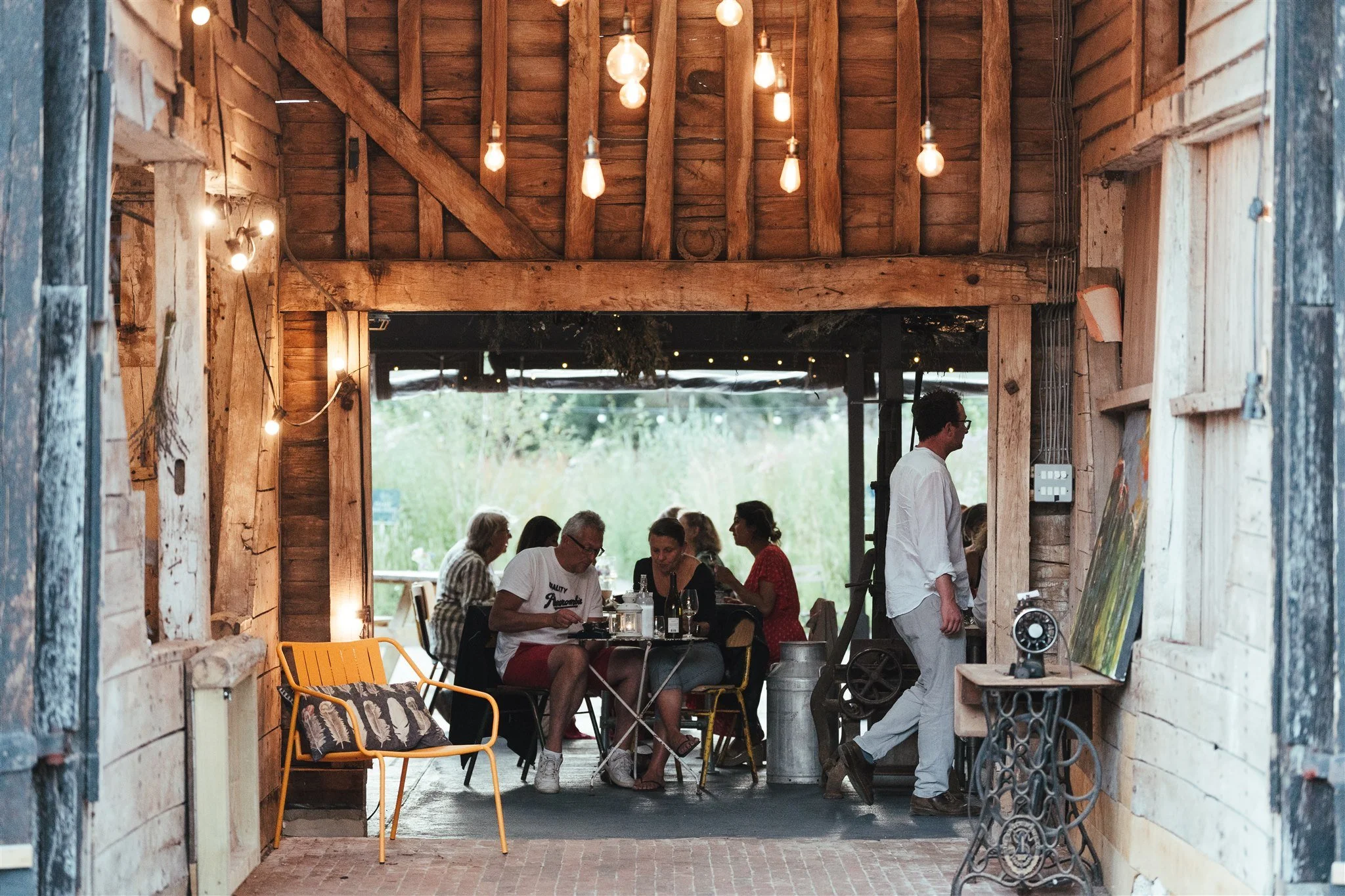
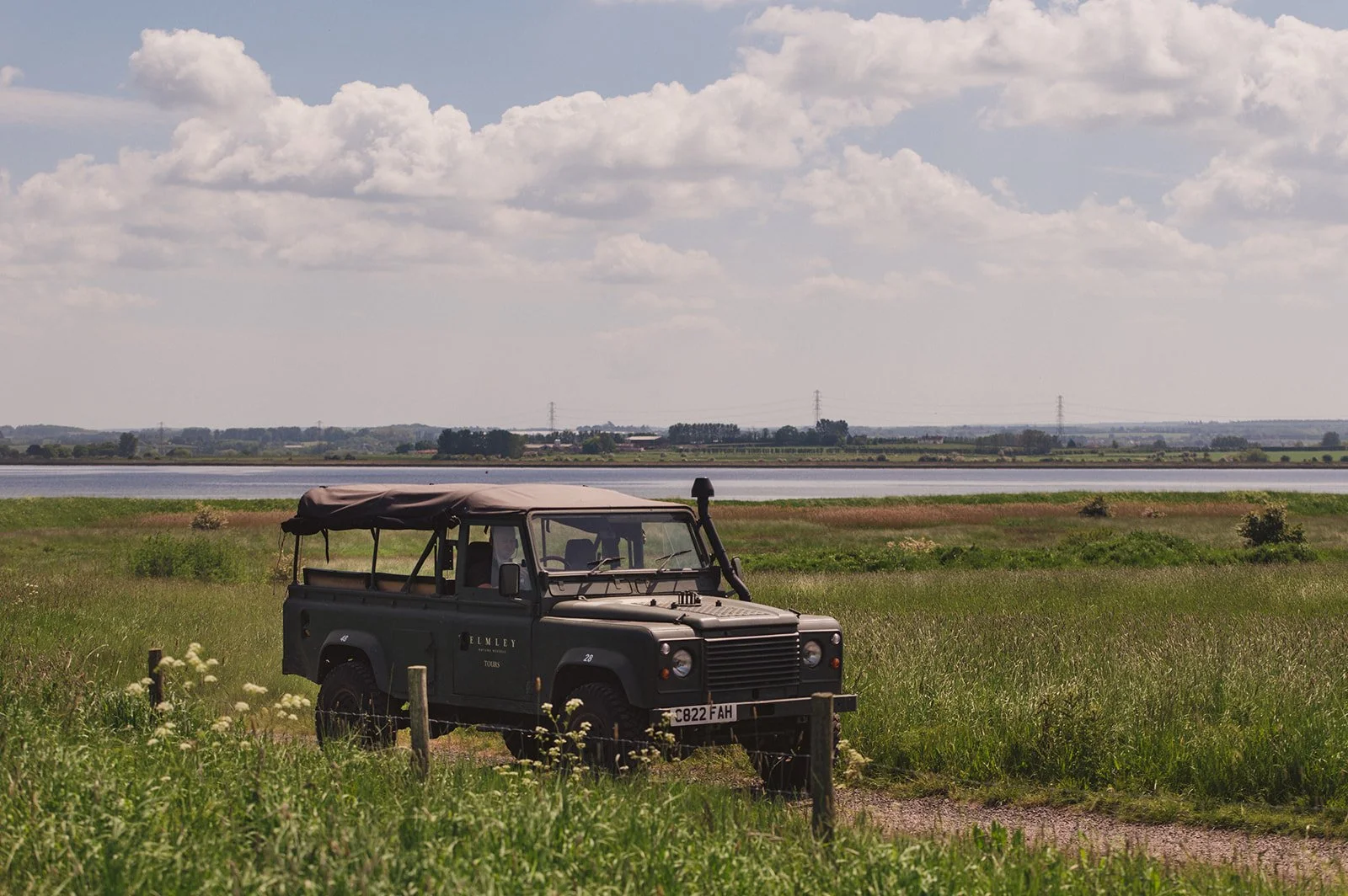
Reframing the countryside as a destination for rest, hospitality and experience - taking commercial advantage of the rise of the rural retreat (Elmley Nature Reserve providing an excellent example), the supper club (as in the case of Falconhurst Estate in Kent), the wedding barn as the modern day rebellion to fast consumerism and soulless chain hospitality.
Sustainability
Weaving environmental stewardship and long-term thinking into the brand story, so the brand and the land’s future are inseparable.
Most of the places we work with are, in truth, doing all three at once - and have done so for generations. A working farm becomes a wedding venue at the weekend; a nature reserve is also a boutique hotel. The research bears this out: it’s rarely one path or another, but a considered blend. Branding is the thread that makes the blend feel coherent rather than scatty.
Community engagement: the bit that is too easy for a brand to overlook
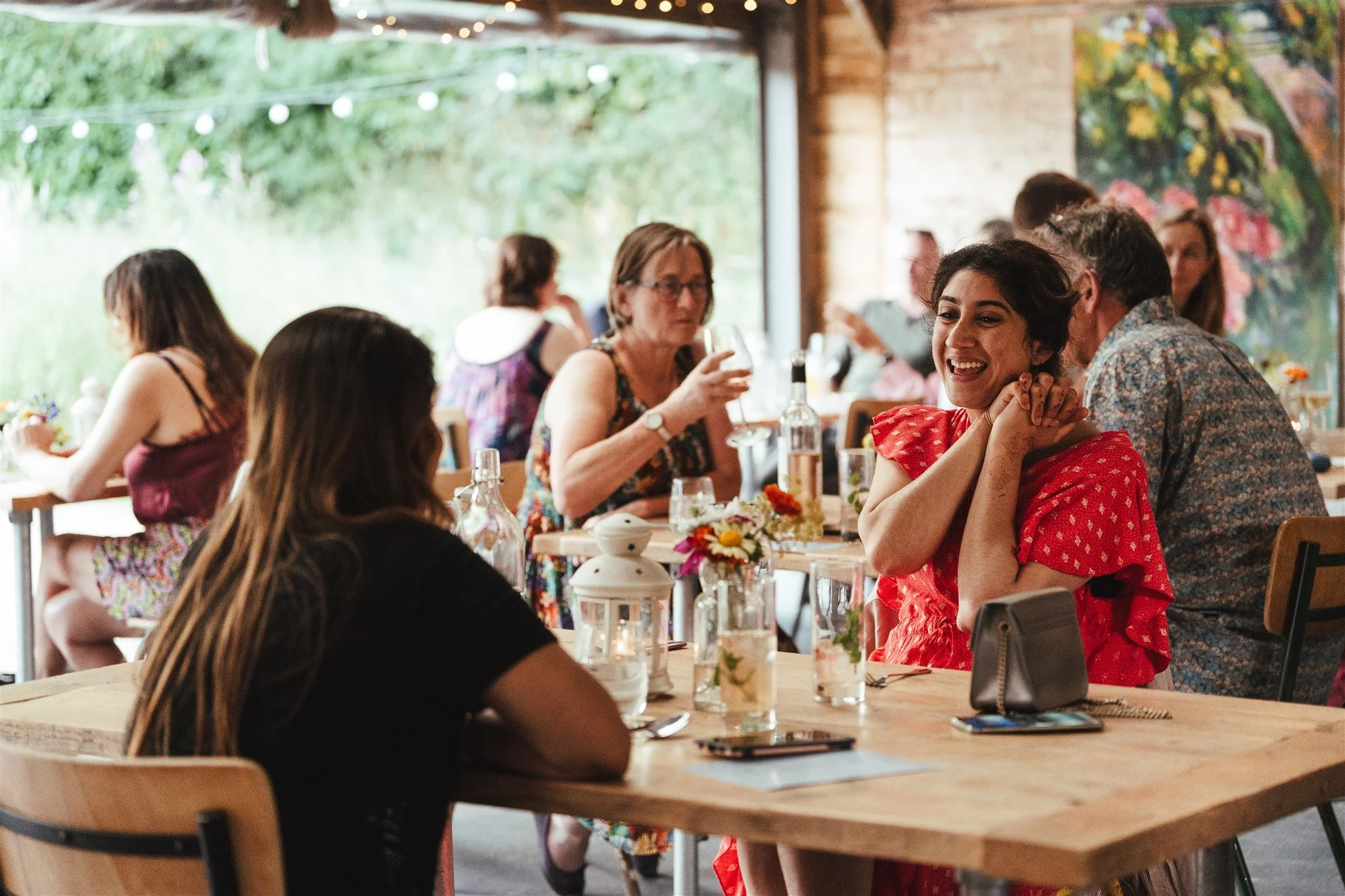
Perhaps the most striking finding is how often successful place branding turns out to be a collective act rather than a top-down one. The research points to the importance of stakeholder networks: the farmers, tenants, gamekeepers, local councils, artisans and long-standing families whose daily decisions continue to shape what a place becomes.
Studies focused on these collaborative networks recorded some of the strongest academic recognition of the whole review, which is where the real work of place branding happens. A brand imposed from above rarely sticks. One built alongside the people who already live and work the land tends to last for generations.
This is precisely why the brand narrative work we do with estates always begins with listening to family members, to staff who’ve been there decades, to the stories that get told at the kitchen table (but heartbreakingly rarely make it onto a website!). Those conversations are where the truest, most ownable version of a brand comes from.
From marketing tool to long term commercial strategy
The review’s central conclusion is one we’d happily have written ourselves: place branding for rural estates and ecotourism has matured from a promotional tactic into a strategic, governance-level tool for shaping the long-term future of rural places. Done thoughtfully, it can hold economic revival and cultural preservation hand in hand, growing a business without hollowing out the thing that made it worth visiting, buying from, or believing in.
That’s the brief we hold ourselves to with every rural estate, heritage business and founder-led brand we work with: build something commercially ambitious that never asks a place to be anything other than what it is.
If your place has a story worth telling properly…
We’ve spent almost two decades helping rural estates and heritage businesses turn what’s already true about them into brands that attract the right people, at the right prices, for the long term. If that sounds like where you’re headed, we’d love to talk.